
A Review of Emerging Evidence
Pulsed Electromagnetic Field (PEMF) therapy has been studied for decades, but recent peer-reviewed publications continue to expand our understanding of how low-frequency magnetic stimulation influences biological systems.
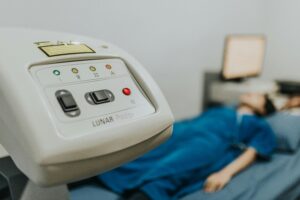
A newly published article indexed in PubMed Central (PMC12292720) further explores the physiological effects of controlled electromagnetic exposure — particularly its impact on inflammation, tissue repair, cellular metabolism, and vascular function.
At Almagia International®, this growing body of evidence supports the clinical use of advanced PEMF systems such as ALMAG-01, ALMAG-02, and ALMAG+, which are engineered to deliver precisely calibrated low-frequency magnetic fields for therapeutic purposes.
This article summarizes the key scientific principles discussed in the publication and explains how they relate to medical-grade PEMF therapy.
Key Biological Mechanisms Highlighted in Recent Research
The PMC study reinforces several well-established mechanisms through which low-frequency PEMF interacts with human physiology.
1. Modulation of Inflammatory Pathways
Chronic inflammation underlies many musculoskeletal, neurological, and vascular conditions. Research shows that pulsed electromagnetic stimulation may influence inflammatory mediators and cytokine activity, helping regulate excessive inflammatory responses.
2. Improvement in Microcirculation
PEMF exposure has been associated with enhanced endothelial function and improved capillary blood flow. Increased oxygen delivery and metabolic waste removal are essential for tissue repair and recovery.
3. Cellular Energy Optimization
Several studies referenced in the publication indicate that electromagnetic stimulation can affect mitochondrial activity and ATP production — the energy currency of cells. Enhanced cellular energy supports regeneration and healing.
4. Influence on Calcium Ion Channels
Calcium signaling plays a critical role in cellular communication, muscle contraction, and neural activity. PEMF therapy has been shown to modulate calcium ion binding and membrane potential, supporting cellular stability.
5. Non-Thermal, Biophysical Effects
Importantly, the study emphasizes that therapeutic low-frequency PEMF works through bioelectromagnetic signaling — not through heat generation. This makes it fundamentally different from thermal therapies.
Clinical Relevance Across Multiple Systems
The mechanisms described in the PMC publication help explain why PEMF therapy has been integrated into treatment protocols for:
-
Musculoskeletal rehabilitation
-
Chronic joint pain and inflammation
-
Post-surgical recovery
-
Peripheral vascular disorders
-
Neurological rehabilitation
-
Soft tissue injuries
Rather than masking symptoms, PEMF therapy supports the biological processes that underlie tissue repair and recovery.
How This Research Relates to Almagia® Devices
Almagia International® distributes a range of FDA-registered PEMF devices manufactured by ELAMED. Each device is engineered with clinically optimized field parameters consistent with the mechanisms described in the scientific literature.
ALMAG-01

Designed for home and clinical use in:
-
Chronic musculoskeletal pain
-
Circulatory support
-
Joint inflammation
-
Neuropathic conditions
ALMAG-02
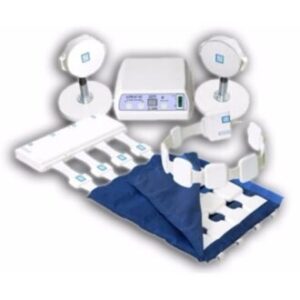
A professional-grade system with deeper penetration and programmable protocols, commonly used in:
-
Post-traumatic rehabilitation
-
Fracture healing
-
Vascular disorders
-
Complex inflammatory conditions
ALMAG+

An advanced, multi-mode device supporting:
-
Vascular regulation
-
Anti-inflammatory protocols
-
Systemic microcirculation improvement
Each device operates using low-frequency pulsed magnetic fields aligned with peer-reviewed research on bioelectromagnetic therapy.
Learn more:
https://almagia.com
PEMF Therapy Compared to Conventional Approaches
| Approach | Mechanism | Primary Effect | Limitations |
|---|---|---|---|
| NSAIDs / Medications | Chemical suppression | Temporary symptom relief | Side effects, does not restore tissue function |
| Heat Therapy | Thermal vasodilation | Short-term circulation boost | Surface-level effect |
| Surgery | Structural correction | Mechanical repair | Invasive, long recovery |
| PEMF Therapy | Cellular bioelectromagnetic modulation | Supports tissue repair and circulation | Requires consistent use |
Unlike pharmaceutical interventions, PEMF therapy works at the level of cellular signaling and microvascular function.
Safety Profile and Tolerability
The PMC article, along with decades of research, supports the conclusion that low-frequency, non-thermal PEMF therapy:
-
Does not produce harmful heat
-
Is generally well tolerated
-
Can be integrated into long-term treatment plans
-
Is suitable for use under medical supervision
Almagia® devices are FDA-registered and designed for safe therapeutic application according to established clinical guidelines.
Why Medical-Grade PEMF Matters
While many consumer-level magnetic products are available online, clinical outcomes depend heavily on:
-
Precise frequency calibration
-
Field intensity accuracy
-
Depth of penetration
-
Program selection
-
Manufacturing quality
Almagia® devices are manufactured by ELAMED, a certified medical device company with decades of experience in physiotherapy engineering. This ensures reproducible and clinically meaningful therapeutic output.
Conclusion
The recent PubMed Central publication (PMC12292720) reinforces the scientific foundation of pulsed electromagnetic field therapy. By influencing inflammatory pathways, microcirculation, mitochondrial function, and cellular signaling, PEMF therapy represents a biophysically grounded, non-invasive modality with broad therapeutic relevance.
For patients and clinicians seeking evidence-based, drug-free supportive therapy, medical-grade systems like ALMAG-01, ALMAG-02, and ALMAG+ provide technology aligned with current scientific understanding.
As research continues to evolve, PEMF therapy remains one of the most promising non-invasive approaches in modern rehabilitation medicine.
Reference
PubMed Central (PMC12292720). Peer-reviewed article on biological mechanisms and clinical relevance of pulsed electromagnetic field therapy.
Additional foundational references:
-
Markov, M.S. (2015). Pulsed Electromagnetic Field Therapy: State of the Art and Future.
-
Pilla, A.A. (2013). Mechanisms of Time-Varying Magnetic Field Therapy.
-
ELAMED Clinical Reports.
Disclaimer
This article is for educational purposes only and does not constitute medical advice. PEMF therapy should be used under the supervision of a qualified healthcare provider. Individual results may vary.