
How MAGOFON Supports Recovery After Childbirth – Here’s What You Need to Know

Bringing a new life into the world is a powerful and transformative experience. However, the postpartum period can also present medical challenges for many women. One of the most significant concerns after childbirth is the risk of postpartum inflammatory complications, which can slow recovery and require additional medical treatment.
Modern physiotherapy technologies are helping doctors explore safer, non-invasive ways to support healing during this critical time. One such innovation is the MAGOFON PEMF Therapy Device, a device that combines pulsed electromagnetic fields and vibroacoustic therapy.
Clinical research has shown that this technology may help accelerate postpartum recovery and reduce the risk of inflammatory complications.
Let’s explore what the science says.
Why Are Postpartum Inflammatory Complications a Concern?
After childbirth, the uterus must gradually return to its normal size in a process called uterine involution. During this time, women may experience a range of physiological changes as the body heals.
However, postpartum complications can occur, including:
-
Endometritis (uterine infection)
-
Delayed uterine involution
-
Inflammatory responses
-
Prolonged bleeding or abnormal discharge
Medical studies indicate that postpartum inflammatory diseases account for 2nd–4th place among causes of maternal complications. The risk of infection ranges from:
-
4–6% after natural childbirth
-
Up to 50% after cesarean section
Because of these risks, improving postpartum recovery has become a major focus of modern obstetrics.
What Was Studied in the Clinical Research?
Researchers from Ryazan State Medical University studied 41 postpartum women aged 19–42 to examine whether physiotherapy could improve recovery outcomes.
Participants were divided into three groups:
Group 1 – Control group
-
Women with normal postpartum recovery
Group 2 – Traditional therapy
-
Women at risk of complications
-
Received antibiotics and standard medical treatment
Group 3 – Physiotherapy group
-
Women at high risk of postpartum inflammatory complications
-
Received therapy using the MAGOFON magnetoacoustic device
The MAGOFON device was applied externally over the uterus using short treatment sessions.
How Was the MAGOFON Device Used?
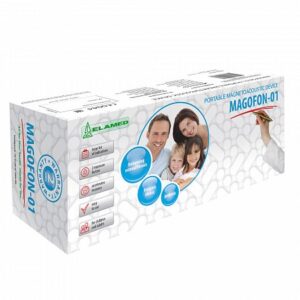
The therapy protocol involved several short sessions:
-
First session: 6 minutes
-
Second session: 8 minutes
-
Subsequent sessions: 10 minutes
-
Treatments are performed every 12 hours
-
Total of 6–8 sessions
The device delivers a combination of:
-
Pulsed electromagnetic fields
-
Vibroacoustic stimulation
Together, these physical therapy factors are designed to stimulate biological healing processes.
What Did the Study Discover?
The results showed significant differences between traditional therapy and MAGOFON therapy.
1. Lower Risk of Postpartum Infection
Among women receiving standard therapy:
-
4 cases of postpartum endometritis developed
However, in the group treated with the MAGOFON device:
-
No cases of endometritis were reported
This suggests that magnetoacoustic therapy may help reduce the risk of postpartum inflammatory complications.
2. Faster Uterine Recovery
Women treated with MAGOFON showed faster uterine involution, meaning their uterus returned to normal size more quickly.
This improvement was particularly noticeable by the fifth postpartum day, when uterine measurements reached levels comparable to those of women with normal recovery.
3. Improved Immune Response
Cytological analysis of uterine samples revealed important immune changes.
Women receiving MAGOFON therapy demonstrated:
-
Reduced neutrophil levels (markers of inflammation)
-
Increased lymphocytes and macrophages
-
Improved immune balance
These indicators suggest that the therapy helped support healthy tissue repair and immune function.
How Does Magnetoacoustic Therapy Work?
The therapeutic effects observed in the study are believed to occur through several physiological mechanisms.
Magnetic Field Effects
Pulsed electromagnetic fields may:
-
Stimulate biochemical reactions
-
Improve blood circulation
-
Enhance metabolic activity
-
Support tissue regeneration
Vibroacoustic Stimulation
Mechanical micro-vibrations may:
-
Stimulate cellular receptors
-
Improve microcirculation
-
Promote tissue elasticity
-
Enhance healing responses
When combined, these effects help create an environment that supports natural recovery.
Why Non-Invasive Recovery Support Matters
One of the most important advantages of physiotherapy devices like MAGOFON is that they offer drug-free, non-invasive support during postpartum recovery.
Instead of relying solely on medication, physical therapy can help stimulate the body’s natural healing processes.
For women recovering after childbirth, this approach may:
-
Reduce reliance on antibiotics
-
Improve comfort and recovery speed
-
Lower the risk of complications
-
Support overall reproductive health
The Role of Modern Physiotherapy in Women’s Health
Advances in physiotherapy technology are expanding treatment options for many conditions, including postpartum recovery.
Devices like the MAGOFON PEMF Therapy Device represent an emerging category of medical technologies designed to support healing through carefully controlled physical therapy.
Clinical research continues to explore how these technologies can complement traditional medical care.
Final Thoughts
Postpartum recovery is an essential part of maternal health, and reducing complications during this period remains a major goal for healthcare providers worldwide.
Clinical evidence suggests that magnetoacoustic physiotherapy may offer a promising way to support healing and reduce inflammatory risks after childbirth.
As research continues, innovative technologies like the MAGOFON device may become an increasingly valuable tool in women’s health and postpartum care.
Disclaimer: Results may vary. Always consult a healthcare provider before starting any new treatment or using medical devices. This content is for informational purposes only and is not a substitute for professional medical advice.