
Dementia affects millions of individuals worldwide and represents one of the most pressing neurological challenges of our time.

Characterized by progressive memory loss, cognitive decline, and impaired daily functioning, dementia — including Alzheimer’s disease and vascular dementia — significantly impacts patients and families alike.
While there is currently no cure for dementia, emerging research suggests that Pulsed Electromagnetic Field (PEMF) therapy may offer supportive benefits by influencing cerebral blood flow, neuronal signaling, and mitochondrial function.
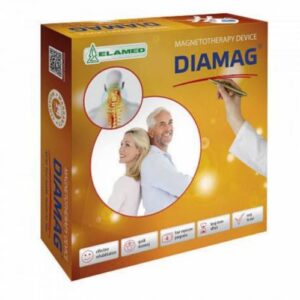
At Almagia International®, medical-grade PEMF technology such as the DIAMAG (ALMAG-03) is designed to support neurological and vascular health using controlled, low-frequency magnetic stimulation.
This article explores how PEMF therapy may contribute to brain support strategies in dementia care.
Understanding Dementia: A Neurovascular and Metabolic Condition
Dementia is not a single disease but a syndrome involving progressive deterioration of cognitive function. Several biological processes are involved:
-
Reduced cerebral blood flow
-
Neuroinflammation
-
Oxidative stress
-
Mitochondrial dysfunction
-
Impaired neural communication
These factors disrupt normal brain function and accelerate neuronal degeneration.
Supportive interventions that improve circulation, cellular energy, and neural stability are increasingly being studied as adjunctive approaches.
How PEMF Therapy May Support Brain Health
Low-frequency PEMF therapy works by delivering pulsed electromagnetic signals that interact with biological tissues at a cellular level. Research suggests several mechanisms relevant to dementia support:
1. Improved Cerebral Microcirculation
PEMF has been shown to enhance endothelial function and stimulate nitric oxide pathways. Improved blood flow supports oxygen and nutrient delivery to brain tissue.
2. Mitochondrial Support
Neurons are energy-demanding cells. PEMF may enhance mitochondrial ATP production, supporting cellular metabolism and resilience.
3. Modulation of Neural Activity
Controlled electromagnetic stimulation may influence neuronal firing patterns and promote better synchronization of brainwave activity.
4. Reduction of Oxidative Stress
Some studies suggest PEMF exposure may reduce markers of oxidative stress, which play a role in neurodegenerative progression.
5. Neurovascular Regulation
Improved vascular tone and reduced inflammation may contribute to stabilization of cognitive symptoms, particularly in vascular dementia.
It is important to emphasize: PEMF therapy does not cure dementia, but it may support neurological function as part of a comprehensive medical plan.
What Does Research Suggest?
Several peer-reviewed studies examining low-frequency electromagnetic stimulation have reported:
-
Improved cerebral blood flow
-
Enhanced mitochondrial activity
-
Modulation of neural network efficiency
-
Improved cognitive performance markers in controlled settings
Research in journals such as Brain Sciences, Aging (Albany NY), and other neuroscience publications suggests that carefully calibrated electromagnetic stimulation can influence biological pathways involved in neurodegenerative conditions.
While large-scale clinical trials are ongoing, current evidence supports further investigation of PEMF as a supportive modality.
DIAMAG (ALMAG-03): Targeted Transcranial PEMF Therapy
The DIAMAG (ALMAG-03) is specifically engineered for neurological and cerebrovascular support. It delivers low-frequency pulsed magnetic fields to the cranial and cervical regions.
Key Features
-
Non-invasive transcranial magnetic application
-
Programmable therapeutic protocols
-
Designed for repeated, supervised use
-
FDA-registered
-
Manufactured by ELAMED, a certified medical device company
Clinical Use Context
In rehabilitation settings, DIAMAG has been used to support:
-
Post-stroke cognitive recovery
-
Dyscirculatory encephalopathy
-
Chronic headaches
-
Vascular-related cognitive impairment
-
Sleep regulation disturbances
Because dementia often involves vascular and metabolic components, supporting circulation and cellular function may help optimize overall neurological care.
Learn more:
https://almagia.com/product/almag-03/
PEMF Therapy vs Conventional Dementia Management
| Approach | Focus | Limitation | Potential Role of PEMF |
|---|---|---|---|
| Medications | Symptom management | Variable response | Supportive adjunct |
| Cognitive therapy | Behavioral support | Requires preserved function | Complementary |
| Lifestyle interventions | Risk reduction | Slow progression | Combined strategy |
| PEMF therapy | Circulation & cellular support | Requires supervision | Non-invasive adjunct |
PEMF therapy may be considered part of a multimodal strategy, alongside medical treatment, cognitive exercises, nutrition, and vascular risk management.
Safety and Considerations
Low-frequency, non-thermal PEMF therapy:
-
Does not generate damaging heat
-
Is generally well tolerated
-
Has demonstrated strong safety profiles in clinical use
-
Should be administered under medical supervision
Patients with implanted electronic devices or complex neurological conditions should always consult their physician before beginning therapy.
The Future of Non-Invasive Brain Support
As neuroscience advances, the role of bioelectromagnetic therapies continues to gain attention. While no single therapy can reverse neurodegeneration, supporting microcirculation, mitochondrial function, and neuronal signaling may help preserve cognitive function longer.
Medical-grade PEMF systems such as DIAMAG represent an evolving area of neurorehabilitation research, offering a non-invasive option within comprehensive care plans.
References
-
Brain Sciences (2023). Effects of Pulsed Electromagnetic Field Stimulation on Neural Efficiency.
-
Aging (Albany NY). Electromagnetic field effects on mitochondrial and neural function.
-
Markov, M.S. (2015). Pulsed Electromagnetic Field Therapy: State of the Art and Future.
-
Pilla, A.A. (2013). Mechanisms of Time-Varying Magnetic Field Therapy.
Disclaimer
This article is for educational purposes only and does not constitute medical advice. DIAMAG is not intended to diagnose, treat, cure, or prevent dementia. Therapy should be used under the supervision of a qualified healthcare provider. Individual results may vary.
